R&D
Evidence-Based Lifestyle Design
By analyzing data and exploring the context of life,
we design tangible, integrated lifestyle solutions.
DATA DRIVEN DESIGN
Objective Data Analysis of User Behavior
Excluding subjective intuition,
we design optimal experiences validated by numbers.
Data-Driven Decision Making
Rather than relying on a designer’s subjective intuition, we build our design foundation on quantitative data derived from actual user behavior.
Utilization of Advanced Analytics
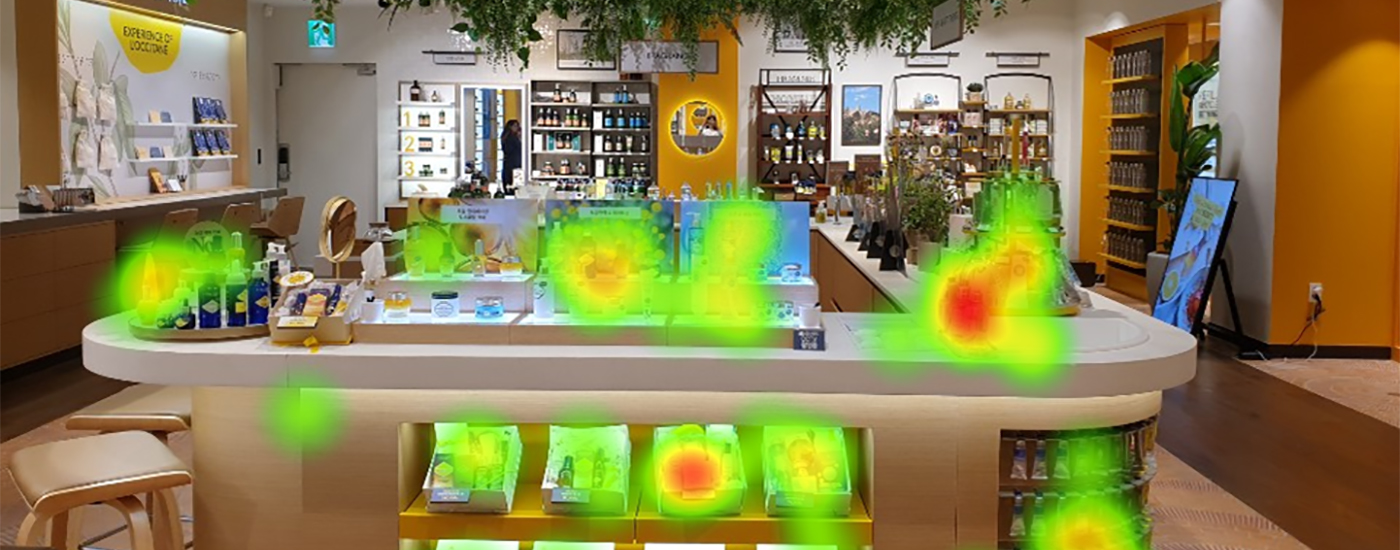
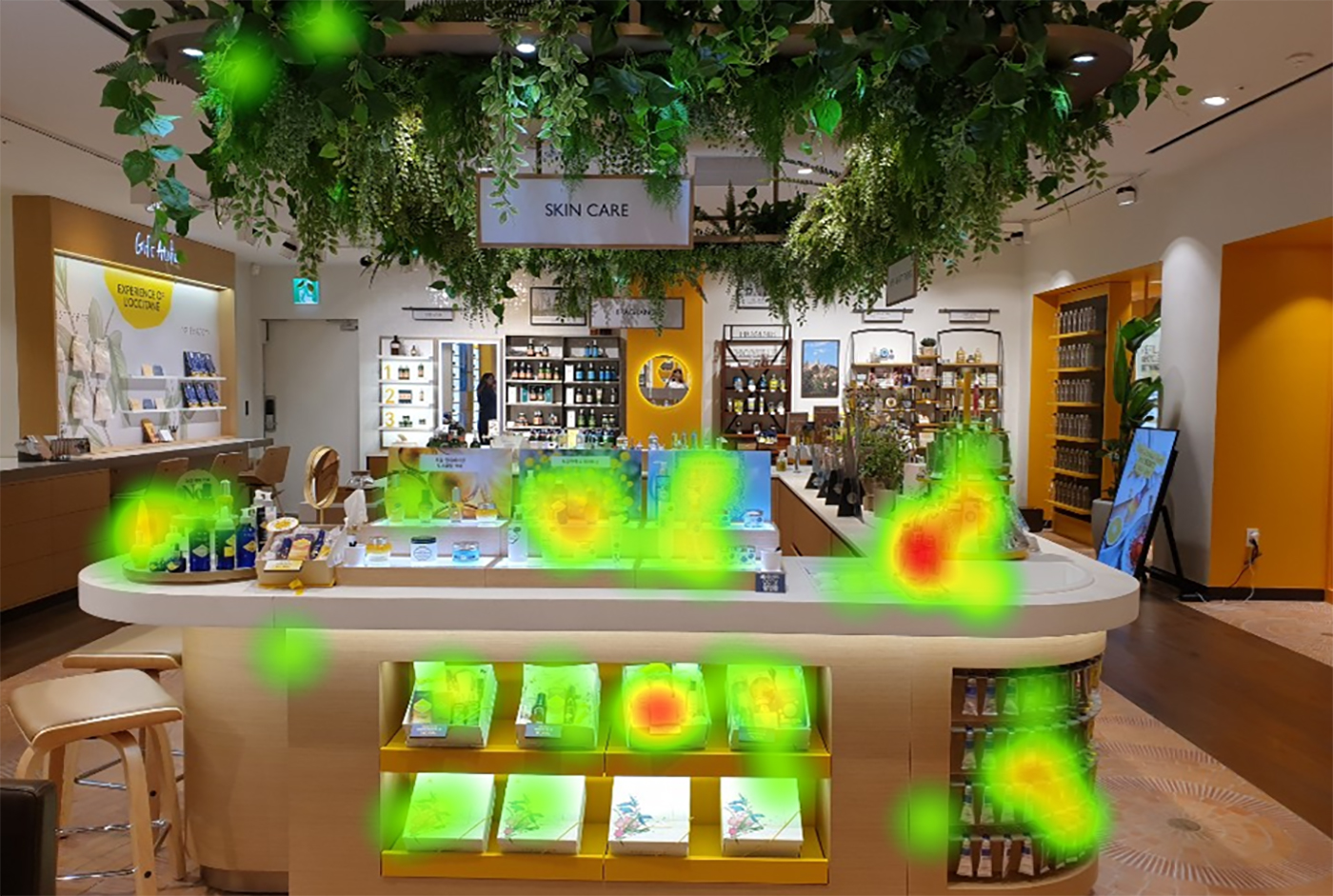
By combining visual flow tracking via eye-tracking with quantitative log analysis, we scientifically diagnose users' subconscious cognitive load and visual bottlenecks.
Optimal Architecture Construction
Based on the analyzed data, we reprioritize interface elements and refine the system structure. Through this process, we deliver data-validated UX/UI solutions that minimize errors and maximize usability.
DESIGN ETHNOGRAPHY
Qualitative Insights Deciphering the Context of Space and Behavior


Moving beyond subjective intuition,
we design optimal experiences validated by numbers.
In-Depth Field Observation
We immerse ourselves in the actual environments where users live and interact—such as retail spaces, residences, and public institutions—to conduct ethnographic research. This allows us to uncover atypical behavioral patterns that conventional surveys often miss.
Contextual Interface Design
We comprehensively analyze all environmental factors, including spatial circulation, lighting, and interactions with surrounding devices, to identify the user's hidden pain points.
Delivering Practical Solutions
Going beyond mere aesthetics, we innovate the fundamental value of spatial experiences through design solutions that 'actually work'—perfectly optimized for the specific purpose of the space and the user's behavioral context.
WELLNESS SERVICE DESIGN
Service Design Centered on the User Experience Journey


We design an integrated wellness ecosystem encompassing
the entirety of daily life to provide seamless care.
Full Life-Cycle Journey Analysis
We structure the user's daily routine across temporal and spatial dimensions into a Customer Journey Map, precisely pinpointing vulnerable intersections where service disconnects occur.
Implementing Sustainable Models
To resolve the identified pain points, we design optimal digital and analog touchpoints. We pursue 'Invisible Tech'-based services, allowing technology to seamlessly blend into the user's lifestyle.
Integrated Wellness Solutions
Moving beyond standard health management, accident prevention, and emergency response, we propose a next-generation smart living environment that organically connects families and communities. Ultimately, we are shaping a new service standard that ensures a safe and enriching life for all generations.